Were you looking for enerlly.com? You’ve found us! Enerlly is now CarbonMinus

Author name: CarbonMinus Editorial Team

A human hand holds rich soil in front of a modern solar panel—symbolizing the fusion of Traditional Ecological Knowledge (TEK) with cutting-edge sustainability technology. It’s a collaboration

Indigenous Sustainability Secrets: What Corporations Can Learn from Centuries-Old Climate Resilience

Key Takeaways Corporations are pouring billions into sustainability tech. AI-driven monitoring systems, predictive analytics, energy-efficient infrastructure. All impressive. All valuable. But here’s the truth: They’re missing something big. For centuries, Indigenous communities have practiced sustainability without the help of high-tech tools. They’ve built systems that survive everything from floods to droughts. Systems that thrive on
Indigenous Sustainability Secrets: What Corporations Can Learn from Centuries-Old Climate Resilience Read More »

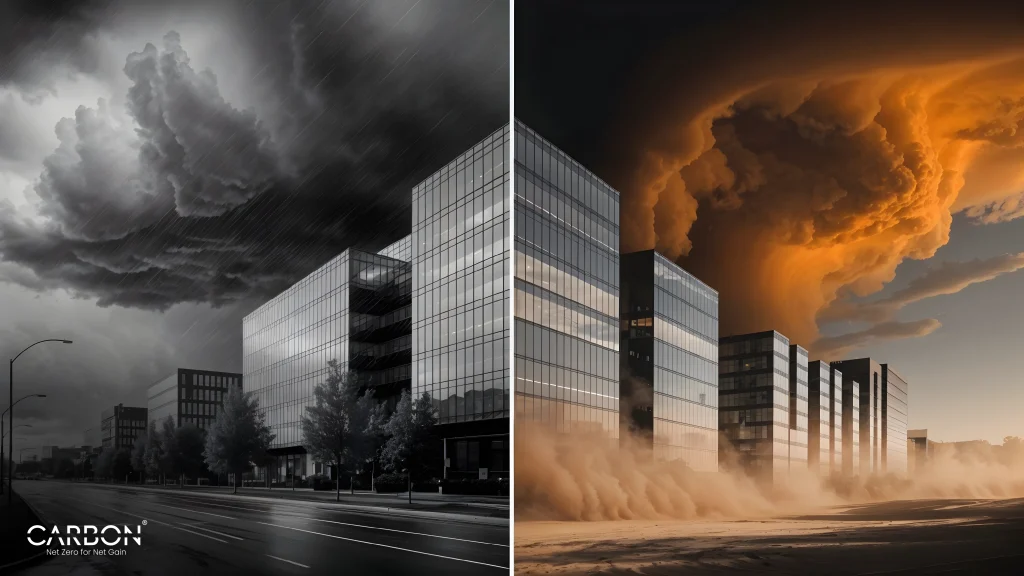
Glass office buildings caught between flooding rains and a dust storm, showing climate extremes.

Hydroclimate Whiplash: How Industrial Giants Can Survive a Chaotic Climate

Key Takeaways Forget about gradual warming. The real threat is extreme volatility. Climate change isn’t moving in a straight line. It’s lunging from one extreme to another—droughts that parch resources dry, followed by floods that wipe away infrastructure.  This cycle of hydroclimate whiplash is the new normal. And for industrial giants that rely on stable

Hydroclimate Whiplash: How Industrial Giants Can Survive a Chaotic Climate Read More »

An engineer uses a tablet to scan factory equipment with AI-powered augmented reality, showing live metrics and maintenance alerts. This real-time visibility is central to predictive maintenance—catching inefficiencies before they escalate, reducing energy waste, cutting emissions, and preventing costly downtime.

AI-Powered Predictive Maintenance: The Hidden Sustainability Superpower

Key Takeaways Did you know that every time a machine breaks down, your carbon footprint spikes? It’s not just an operational headache. It’s a sustainability disaster hiding in plain sight. Faulty equipment sucks up more energy, drags down efficiency, and forces you to churn out replacement parts that never should have been needed in the

AI-Powered Predictive Maintenance: The Hidden Sustainability Superpower Read More »

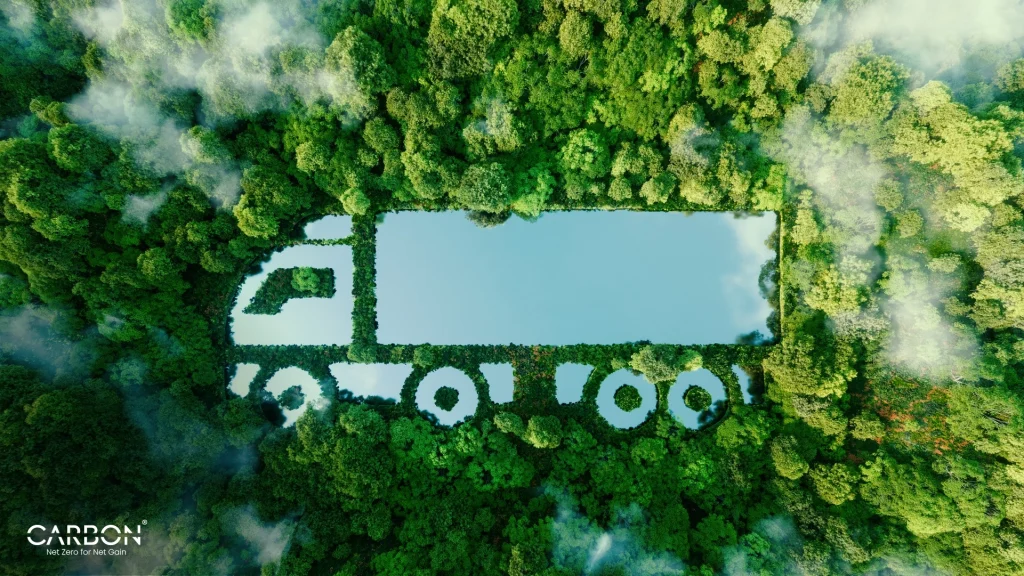
Aerial view of dense forest with a truck silhouette carved out, symbolizing the environmental cost of global supply chains and the need for low-carbon logistics.

Carbon Shoring: Why Low-Carbon Supply Chains Are Becoming an Executive Priority

Key Takeaways You’re about to face a carbon tax bill you never saw coming. The EU CBAM (Carbon Border Adjustment Mechanism) is just the opening act. Global carbon taxes are spreading fast, targeting industries that rely on high-emission supply chains.  Steel, cement, chemicals—if your suppliers are pumping out carbon, your bottom line is about to

Carbon Shoring: Why Low-Carbon Supply Chains Are Becoming an Executive Priority Read More »

Engineer uses a thermal camera to scan industrial equipment for heat loss—capturing the invisible energy leaks most companies ignore.

Waste Heat: The Billion-Dollar Energy Source Industrial Giants Are Ignoring

Key Takeaways You’re burning money. Literally. Every hour your furnaces run, your boilers churn, your reactors do their job — you’re losing heat. And not just a little.  Over 60% of industrial energy is wasted as heat. That’s billions of dollars, every year, escaping through chimneys, exhaust pipes, and cooling towers. The steel industry alone?

Waste Heat: The Billion-Dollar Energy Source Industrial Giants Are Ignoring Read More »

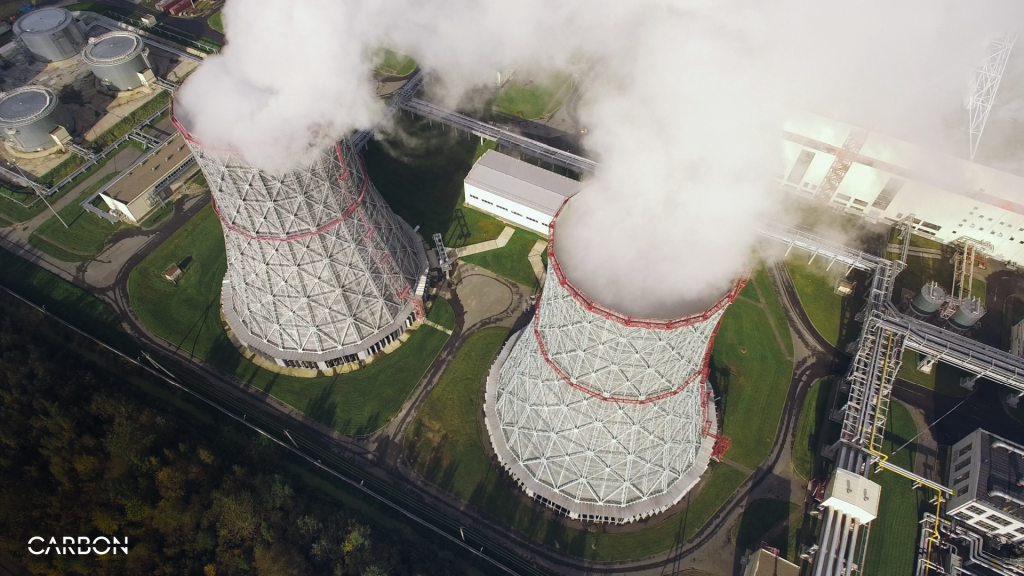
Aerial view of industrial cooling towers emitting vapor, surrounded by pipelines and storage tanks—highlighting the hidden carbon footprint of water cooling systems in heavy industry.

Why Scope 3 Water Emissions Are Costing You More Than You Think

Key Takeaways You’re chasing down every leak you can find, scrutinizing every line item on your carbon ledger, optimizing energy use, retrofitting equipment, slashing Scope 1 and Scope 2 emissions like your future depends on it. But water? It’s hiding in plain sight. Most industries are drowning in their own blind spots. They focus so

Why Scope 3 Water Emissions Are Costing You More Than You Think Read More »

Close-up of stacked cardboard boxes with a green "ECO FRIENDLY" stamp printed on them. The boxes symbolize sustainable packaging and the push for bio-based, environmentally friendly materials.

Bio-Based Materials: The Sustainability Hype vs. Reality

In the 90s, fat-free snacks were all the rage. You’d walk into a grocery store and see “Fat-Free” splashed across chips, cookies, and even desserts.  They were marketed as the ultimate guilt-free indulgence, until people realized these “healthy” snacks were packed with sugar, artificial additives, and just as many calories. Fast-forward to today, and we’re

Bio-Based Materials: The Sustainability Hype vs. Reality Read More »

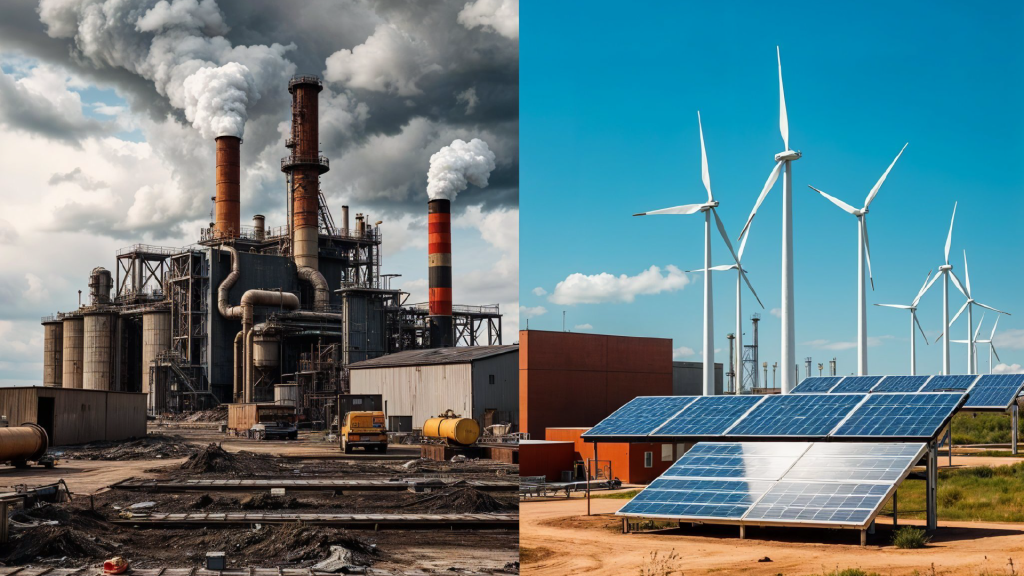
Split-image comparison of two industrial landscapes: on the left, a fossil-fuel-powered factory emitting heavy smoke, and on the right, a clean energy-powered facility with solar panels and wind turbines, representing the transition from high-emission manufacturing to sustainable, net-zero production.

Beyond Emissions: How Smart Factories Win the Net-Zero Race

It’s the final lap of a Formula 1 race.  Two drivers push their machines to the limit, one in a finely tuned, ultra-efficient hybrid, the other in an outdated gas-guzzler. The hybrid surges ahead, fueled by precision, optimization, and cutting-edge tech, while the old-school racer burns through fuel, struggling to keep up.  The finish line?

Beyond Emissions: How Smart Factories Win the Net-Zero Race Read More »

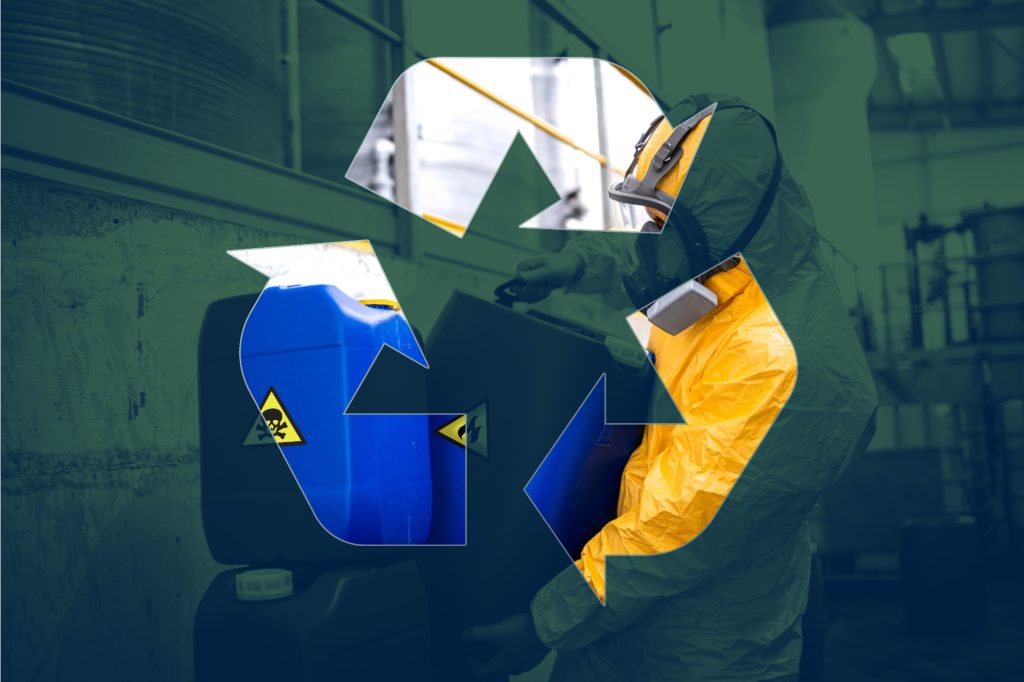
A worker in a yellow hazmat suit handling hazardous chemical containers in an industrial facility, overlaid with a transparent recycling symbol, representing circular economy initiatives in the chemical industry.

How AI Is Making Waste-Free Chemical Manufacturing Possible

The machines never stop. Deep inside chemical plants, massive reactors churn out plastics, solvents, and industrial compounds — the building blocks of everything from pharmaceuticals to packaging.  Steam hisses through pipelines, and the scent of hydrocarbons lingers in the air. This is the beating heart of modern industry. But outside these walls, the world is

How AI Is Making Waste-Free Chemical Manufacturing Possible Read More »

A robotic hand interacting with a digital interface displaying industrial data, overlaid on a smokestack emitting emissions. The image represents AI-driven optimization and real-time data analytics in industrial decarbonization.

Decarbonizing Steel, Cement, and Chemicals with AI

A blast furnace running at 1,500°C, churns out molten steel that will become the backbone of skyscrapers, bridges, and highways that we use every day.  An engineering marvel if you think about it. If you think deeper, it’s also an emissions disaster. For centuries, heavy industry has powered civilizations, but it’s also pumped billions of

Decarbonizing Steel, Cement, and Chemicals with AI Read More »

Scroll to Top